

Speakers
HTLV 2026 workshop speaker biographies
For further information about individual speakers please click on their respective “Open biography” link.
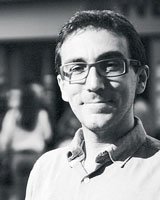
Philippe Afonso
Chargé de Recherche, Institut Pasteur, France
Philippe Afonso joined Antoine Gessain’s laboratory during his PhD (2004-2008), where he studied the cellular biology of HTLV-1 infection. He then completed a four-year postdoctoral fellowship at the NCI/NIH in Carole Parent’s laboratory, where he focused on neutrophil migration. He was recruited by the Institut Pasteur in 2012, where he returned to virology, with a particular focus on HTLV-1.
His research focuses on the pathogenesis of HAM/TSP and the molecular epidemiology of HTLV-1. In particular, he identified the first recombinant strains of HTLV-1 and revealed the absence of canonical accessory genes in most viral strains through sequence analysis. Currently, in collaboration with Chloé Journo at ENS Lyon (France), he is studying the differential pathogenicity of different HTLV-1 genotypes.


Josh Anzinger
Head of Department, Department of Microbiology, The University of the West Indies, Jamaica
Joshua Anzinger is a Professor of Virology and Head of the Department of Microbiology at the University of the West Indies in Jamaica. His research has focused on retroviruses, arboviruses and Covid. In his time as Head of the Virology Section, the only dedicated diagnostic virology laboratory in the country, Professor Anzinger has experience responding to several viral epidemics, including Zika, dengue and Covid. He deployed the first next generation sequencing laboratory in Jamaica and initiated the first virus discovery program in Jamaica as part of the Abbott Pandemic Defense Coalition. In addition to Professor Anzinger’s academic role with the UWI and leading the UWI Department of Microbiology, he has worked closely with PAHO as a member of the Arbovirus Diagnosis Laboratory Network of the Americas (RELDA) and the PAHO Caribbean Sub-Regional Certification Committee (SCC) for the Polio Endgame in the Region of the Americas, having represented the SCC at the Regional Certification Committee for all the Americas. Professor Anzinger is also an Investigator on the NIH Fogarty Center Global Infectious Disease Research Training Program (GIDRTP) D43 in Jamaica.
Benoit Barbeau
Universite du Quebec a Montreal, Canada
Lorem ipsum dolor sit amet, consectetur adipiscing elit, sed do eiusmod tempor incididunt ut labore et dolore magna aliqua. Ut enim ad minim veniam, quis nostrud exercitation ullamco laboris nisi ut aliquip ex ea commodo consequat. Duis aute irure dolor in reprehenderit in voluptate velit esse cillum dolore eu fugiat nulla pariatur. Excepteur sint occaecat cupidatat non proident, sunt in culpa qui officia deserunt mollit anim id est laborum.
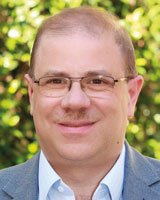
Ali Bazarbachi
Professor of Medicine and BMT director, American University of Beirut, Lebanon
Ali Bazarbachi, MD, PhD is a Professor of Medicine (Hematology and Oncology), and founding director of the bone marrow transplantation program at the American University of Beirut-Medical Center. He received his MD and PhD degrees from the University of Paris. His translational research focuses on targeted therapies for adult T cell leukemia/lymphoma and other hematological malignancies as well as post-transplant pharmacological interventions. He has co-authored more than 450 articles in leading scientific journals including The New England Journal of Medicine, Science, Journal of Experimental Medicine, The Lancet Oncology, Journal of Clinical Oncology, Blood, and Nature Communication. He is the Chairman of the EBMT Lymphoma Working Party, Chairman of the NCCN Lymphoma Group for MENA, and Associate Editor of “Bone Marrow Transplantation”. He garnered multiple prestigious national and international awards including the French National Academy of Medicine Award, King Hussein Lifetime Achievement Award, and the Lebanese National Medal of Merit. He was recently elected as member of the French National Academy of Medicine.

Lucy Cook
Consultant Haematologist, Imperial College Healthcare NHS Trust, London, UK
Lucy is a clinical consultant haematologist in the UK specialising in lymphomas, and has a particular interest in HTLV-1 related adult T-cell leukemia/lymphoma. She undertook a PhD investigating the clonality of HTLV infected cells in ATL, compared with healthy carriers. Since 2013 she has worked within the clinical National HTLV service at Imperial, London, leading the malignant HTLV service. We provide diagnostic support and clinical advice to clinicians across the UK (and internationally) who are managing patients living with HTLV-1 infection. Lucy has been involved with co-writing international consensus treatment guidelines, British Society of Haematology guidelines, and the WHO classification. In recent years, clinical research has been focused on the development and utility of prognostic laboratory assays which are now used routinely in the clinic, to predict which HTLV carriers are at risk of future ATL in order to risk stratify individual people with aim of offering appropriate advice and offering effective clinical prevention strategies.

Helene Dutarte
Senior scientist, team leader, INSERM, France
Helene Dutartre is a french senior scientist with a tenure position at INSERM, working in the field of infectiology, at the interface of immunology and virology, from virus-host interaction to discovery of antivirals or vaccines. She obtained a PhD in 1997 in Immunology from the Université de la Méditérannée (Marseille, France) at the research center for cancerology of Marseille (CRCL, Marseille, France). Under the mentoring of Pr Daniel Olive, she studied the molecular interaction between HIV viral proteins with cellular immune kinases to understand the molecular basis of the HIV-induced immunodeficiency. She then joined the lab of Dr Canard at Architecture and Functions of Biological Macromolecules Laboratory, Aix-Marseille Université, Marseille, France, as a post doc and then as associated researcher, where she set-up the biochemical and structural characterization of the HCV polymerase, before leading the project aiming at identifying new HCV antiviral drugs. In 2008, she joined the lab of Dr Banchereau at Baylor Institute for Immunology Research in Dallas, Texas, where she elaborated new therapeutic HCV vaccines based on the dendritic cell targeting technology. In 2012, she joined Dr Mahieux’ team at the Center of International Research in infectiology in Lyon (CIRI) to work on HTLV interaction with innate cells, and since 2020, she co-leads the Retroviral Oncogenesis team. Her current interests aim at understanding the interaction between the HTLV-1 oncovirus with innate cells, from manipulation of bystander cells to mechanisms of cell-to-cell viral transmission, with long-term objectives to provide new strategies for treatment against HTLV-1 infection.
Lloyd Einsiedel
University Of Melbourne, Australia
Dr Lloyd Einsiedel is a specialist physician (Infectious Diseases/Internal Medicine) and clinician researcher who has worked with Aboriginal Australians in Central Australia for more than two decades. In this remote setting he established a translational HTLV-1 research program to understand the epidemiology and clinical impact of HTLV-1c. His research has revealed the highest recorded HTLV-1 prevalence in remote Aboriginal communities, found links between HTLV-1 infection and chronic diseases, and established the importance of pulmonary involvement as a cause of bronchiectasis and mortality, influencing international and Australian clinical guidelines. Research interests have since expanded to include virological studies and the potential for antiretroviral-based therapies to prevent HTLV-1 infection and to modify clinical outcomes.

Pamela Gasper
General Coordinator for the Surveillance of Sexually Transmitted Infections, Ministry of Health, Brazil
Pharmaceutical Biochemist with a Master’s degree in Pharmacy and a PhD in Public Health. She currently serves as General Coordinator for the Surveillance of Sexually Transmitted Infections at the Brazilian Ministry of Health. For over a decade, she has focused on the formulation and implementation of public health policies aimed at the prevention, diagnosis, expanded access to testing, and treatment of sexually transmitted infections. Her work also encompasses surveillance of antimicrobial resistance in STIs, the development and revision of national clinical guidelines, and leadership in strategies for the elimination of vertical transmission of HIV, syphilis, viral hepatitis, and HTLV. She has international experience serving on expert advisory and guideline development groups in global health.
Eduardo Gotuzzo
Emeritus Professor, Universidad Peruana Cayetano Heredia, Instituto de Medicina Tropical “Alexander von Humboldt”, Peru
Eduardo Gotuzzo, MD, FACP, FIDSA, FESCMID is Emeritus Professor, Former Director of the Instituto de Medicina Tropical “Alexander von Humboldt”, Universidad Peruana Cayetano Heredia, Specialist in Internal Medicine and Infectious and Tropical diseases, promoted the creation of residency program for the specialty in both adults and pediatrics, Creator and Former Director of the Gorgas International Course of Clinical Tropical Medicine, conducted in alliance with the University of Alabama in Birmingham, USA. conducts research in several areas: TB, HIV, mainly HTLV. Distinguished in 4 Peruvian Universities as Doctor Honoris Causa. Among others (USA): Associate to the International Health Department of the Johns Hopkins University, Adjunct Professor of School Medicine, University of Alabama at Birmingham, Adjunct Faculty Member of The William J Harrington Training Programs for LatinAmerica, University of Miami School of Medicine, Fellow of Center for the Americas at Vanderbilt, Vanderbilt University, Past-President of International Society for Infectious Disease, (ISID) (1996-1998); President of the Asociación Panamericana de Infectología, (API) (1991-1993). Honorary Member: Medicine National Academy of Mexico and Medicine National Academy of Peru. Member, Institute of Medicine’s Forum on Microbial Threats – Institute of Medicine of The National Academies. He has published 585 articles and 48 chapters, 6 manuals and 2 books.
Patrick Green
Distinguished University Professor, The Ohio State University, USA
Dr. Patrick Green is an Ohio State University Distinguished University Professor and Scholar and Director of the Center for Retrovirus Research. He also serves as Senior Advisor for the Ohio State University Comprehensive Cancer Center. Dr. Green has over 45 years of research experience in the field of murine and human retroviral pathogenesis with current research focus on HTLV-1 molecular pathogenesis. His laboratory group is well-versed in animal models of HTLV-1 infection and disease (ATL) including rabbits, SCID PDX, and humanized mice which have been used to establish viral regulators of infection/persistence and tumorigenesis as well as the testing of drug therapeutics. Dr. Green’s research has been continuously funded by the National Institutes of Health (NIH) since 1991. He has been appointed as a member of numerous NIH study sections and scientific panels and currently serves as a member of the several journal editorial boards. Dr. Green has received numerous academic awards including the Pfizer Award for Research Excellence, the IRVA Dale McFarlin Award, the inaugural David Derse Memorial Lecture Award, and is a Fellow of both the American Advancement for the Association of Science (AAAS) and the American Academy of Microbiology (AAM).
Olivier Hermine
Necker Hospital, France
Lorem ipsum dolor sit amet, consectetur adipiscing elit, sed do eiusmod tempor incididunt ut labore et dolore magna aliqua. Ut enim ad minim veniam, quis nostrud exercitation ullamco laboris nisi ut aliquip ex ea commodo consequat. Duis aute irure dolor in reprehenderit in voluptate velit esse cillum dolore eu fugiat nulla pariatur. Excepteur sint occaecat cupidatat non proident, sunt in culpa qui officia deserunt mollit anim id est laborum.

Philippa Hetzel
Director, NRL, St Vincent’s Institute of Medical Research, Australia
Philippa is the Director of Australia’s National Reference Laboratory (NRL), an operating division of St Vincent’s Institute of Medical Research that works to improve the quality of testing for infectious diseases globally. NRL is designated as both a WHO Collaborating Centre for Diagnostics and Laboratory support and a WHO IVD Prequalification Evaluation Laboratory which evaluates Test kits on behalf of WHO for use in low- and middle-income countries which lack their own regulatory systems.
Prior to joining NRL, Philippa worked in public health and the blood transfusion sectors including over twenty-five years at Australian Red Cross Lifeblood in both State and National leadership roles being responsible for delivering Australia’s blood supply from donor recruitment, screening and manufacturing through to the distribution of blood and blood products. She is currently the Oceania representative on IRVA’s Executive Committee, Co-Chair of IRVA’s International Testing Working Group for HTLV and Co-Chair of the Executive Committee of the Australian Network of WHO CCs.
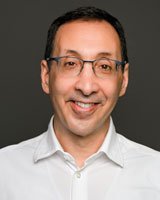
Steven Horwitz
Attending Physician & Member, Memorial Sloan Kettering Cancer Center, USA
Dr. Steven Horwitz is an Attending Physician in the Department of Medicine at Memorial Hospital for Cancer and Allied Diseases and a Member at Memorial Sloan Kettering Cancer Center in New York City. He earned his medical degree at Case Western Reserve University School of Medicine, completed an internship and residency in internal medicine at the University of Rochester/Strong Memorial Hospital, and then completed a fellowship in medical oncology at Stanford University Medical Center.
Much of his current research is dedicated to investigating targeted or immunotherapeutic approaches to try to identify better, and often less toxic treatments for individuals with T-cell lymphomas. His research also focuses on better understanding mechanisms of response and resistance to novel drugs in T-cell lymphoma to help provide individualized treatments in the future.
Dr. Horwitz participates in several national, and international committees and consortiums dedicated to the understanding and advancement of treatment for T-cell lymphoma. Since 2017 he has been the Chair of the NCCN panel on Guidelines for Treatment of T-Cell/Primary Cutaneous B-Cell Lymphomas and member of the Lymphoma Research Foundation Scientific Advisory Board.
Much of his current research is dedicated to investigating targeted or immunotherapeutic approaches to try to identify better, and often less toxic treatments for individuals with T-cell lymphomas. His research also focuses on better understanding mechanisms of response and resistance to novel drugs in T-cell lymphoma to help provide individualized treatments in the future.
Dr. Horwitz participates in several national, and international committees and consortiums dedicated to the understanding and advancement of treatment for T-cell lymphoma. Since 2017 he has been the Chair of the NCCN panel on Guidelines for Treatment of T-Cell/Primary Cutaneous B-Cell Lymphomas and member of the Lymphoma Research Foundation Scientific Advisory Board.
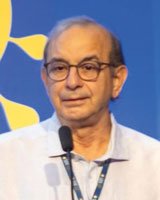
Ricardo Ishak
Professor, Universidade Federal Do Para, Brazil
Professor Ricardo Ishak, is a Brazilian virologist and epidemiologist who obtained an MPH at Yale University (USA) and a PhD at the London School of Hygiene and Tropical Medicine (UK). He started his work at the Universidade Federal do Para, Brazil, where he supervised a great number of MSc and PhD students. He was a founder member and a former President of the Brazilian Society of Virology. Professor Ishak started working with the occurrence of sexually transmitted infections (including the newly described human retrovirus HTLV in the 1990s), in urban and non-urban population groups. He showed the presence of HTLV-2 among the original peoples of the Amazon region of Brazil, the largest endemic and highest prevalence area of the virus within several vulnerable Indian villages, the presence of a new molecular subtype, HTLV-2c, and the transmission from mother to child, an important event that keeps the virus perpetuating as an ancient infection and promoting the intrafamilial transmission for generations among isolated and virgin soil population groups. In 2022, Professor Ishak was the recipient of the Dale McFarlin Award, by the International Retrovirology Association, in recognition of the scope and impact of his academic work.
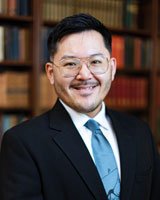
Christopher Itoh
Clinical Fellow, Viral Immunology Section, NINDS/NIH, USA
Christopher Yuki Itoh, M.D., M.H.S. is a Neuroimmunology and Neurovirology Fellow at the National Institute of Neurological Disorders and Stroke (NINDS), NIH, working in the laboratory of Dr. Steven Jacobson. His research focuses on the immunopathogenesis of HAM/TSP and multiple sclerosis, integrating advanced immunological profiling with biomarker discovery and translational clinical investigation.
Dr. Itoh serves as Lead Associate Investigator on two key NIH clinical protocols: the Phase I/II trial of teriflunomide in HAM/TSP (21-N-0016) and the long-standing HAM/TSP natural history study (98-N-0047). Alongside this clinical work, his basic science and bioinformatics research applies PhIP-seq to profile cerebrospinal fluid antibody repertoires at epitope-level resolution, characterizing intrathecal HTLV-1–specific immune responses and identifying viral and human peptide antibody signatures relevant to disease pathogenesis.
He received his B.A. from the University of California, Berkeley and his M.D. from the University of California, Davis. He completed neurology residency at Mayo Clinic and holds a Master of Health Science from the Johns Hopkins Bloomberg School of Public Health. Prior to clinical training, he was a Howard Hughes Medical Institute (HHMI) Medical Research Fellow at MIT and Harvard.
Dr. Itoh serves as Lead Associate Investigator on two key NIH clinical protocols: the Phase I/II trial of teriflunomide in HAM/TSP (21-N-0016) and the long-standing HAM/TSP natural history study (98-N-0047). Alongside this clinical work, his basic science and bioinformatics research applies PhIP-seq to profile cerebrospinal fluid antibody repertoires at epitope-level resolution, characterizing intrathecal HTLV-1–specific immune responses and identifying viral and human peptide antibody signatures relevant to disease pathogenesis.
He received his B.A. from the University of California, Berkeley and his M.D. from the University of California, Davis. He completed neurology residency at Mayo Clinic and holds a Master of Health Science from the Johns Hopkins Bloomberg School of Public Health. Prior to clinical training, he was a Howard Hughes Medical Institute (HHMI) Medical Research Fellow at MIT and Harvard.
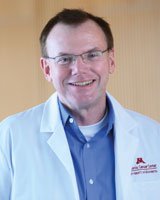
Louis Mansky
Professor & Director, Institute for Molecular Virology, University of Minnesota – Twin Cities, USA
Dr. Louis Mansky has been engaged in virology research for the past 40 years. He earned his undergraduate degree in the biological sciences from Purdue and a PhD degree in molecular virology from Iowa State. His training in retrovirology began in the laboratory of Dr. Howard Temin at the McArdle Laboratory for Cancer Research, University of Wisconsin – Madison. The Mansky Research Group has long standing interest in human retrovirus replication, including early steps (reverse transcription) and late steps (virus assembly, release, maturation). Their research involves state-of-the-art imaging technologies including single-molecule quantitative fluorescence microscopy and high resolution cryo-electron microscopy/tomography. Dr. Mansky is the founding director of the University of Minnesota’s Institute for Molecular Virology and is the founding director of the NIH-supported Minnesota Training Program in Virology.
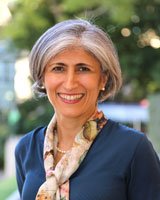
Fabiola Martin
Canberra Health Services/Canberra Sexual Health Centre, Australia
Fabiola has been working as a clinical academic and patient advocate in the field of Human T Leukaemia Virus since 2004. She is the immediate past president of the International Retrovirology Association and a recipient of the prestigious IRVA’s Dale Elroy McFarlin Memorial Award. Fabiola’s imminent goal is to see the international roll out and access to HTLV pre-exposure prophylaxis treatments in order to drastically curb the transmission of this oncovirus particularly from childbearing parent to child.
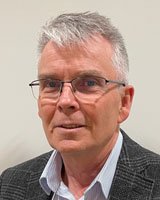
Professor Damian Purcell, PhD, FAVS.
University of Melbourne, Australia
Damian Purcell is Professor of Virology and Head of the Molecular Virology Laboratory at the University of Melbourne and Head of Industry Partnerships at the Peter Doherty Institute for Infection and Immunity. He is a Fellow of the Australasian Virology Society and has a PhD in Medicine in 1987 from University of Melbourne and did a four year NHMRC travelling postdoctoral fellowship in Molecular Microbiology at the NIAID, NIH Bethesda, USA until 1995. His research over 35 years has focused on molecular virology of the human retroviruses HIV and HTLV-1, and in the pandemic, SARS-CoV-2. He is the Australian Principle Investigator of the ASPIRE partnership with Japan on HTLV prevention and therapeutics. He has intensively investigated the RNA structure and biology of viruses and developed some of the first DNA and RNA vaccines in Australia in the early 2000’s. He is the University of Melbourne RNA node leader for the Victorian mRNA Innovation Hub that has generated new mRNA vaccine candidates and therapeutic antiviral approaches. He was President of the Australasian Virology Society from 2011 – 2015 and the inaugural AVS Fellow, Executive Committee Member of the Australian Centres for HIV and Hepatitis Virology since 2000, IRVA Governing Councillor 2017 – 2025 and Meeting convenor in 2022 . He is a founding board member of the Australian RNA production consortium and Chairs the RNA4Health Society (APAC), and the steering committee of the “Advances in mRNA Science” annual meeting in Melbourne.
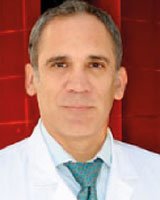
Juan Carlos Ramos
AUniversity of Miami/Sylvester Comprehensive Cancer Center, U.S.A.
Dr. Juan C. Ramos is a hematologist-oncologist and physician scientist at the University of Miami (UM)/Sylvester Comprehensive Cancer Center, where he is Professor under Department of Medicine and Microbiology & Immunology. He studied Biology as an undergraduate at UCLA, graduated from the New Jersey Medical School-UMDNJ in 1999, and completed Internal Medicine residency and Hematology-Oncology trainings at UM and affiliated hospitals in 2005. Since completing training, Dr. Ramos has devoted his academic career to studying viral related malignancies. Much of this effort relates to translational research on HTLV-1 related adult T-cell leukemia-lymphoma and AIDS-associated cancers. He is currently principal investigator of the NIH-NCI-sponsored AIDS Malignancy Consortium at the UM site and has served as principal or co-investigator in multiple peer-reviewed and NIH-NCI-sponsored projects. He has been recipient of notable awards including Damon Runyon Clinical Investigator/Scholar as an early career investigator and the Clinical Excellence Award by the International Retrovirology Association in 2024.
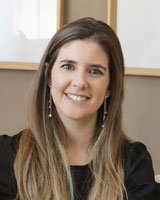
Carolina Rosadas
Research Fellow, Imperial College London, UK
Dr Rosadas is a Research Fellow at Imperial College London, who is keen to support improving access to diagnostics and to help advancing the public health response to neglected infections.
She is particularly interested in optimising diagnosis of HTLV-1 infection and its associated diseases and to prevent transmission.
Have been supporting the World Health Organization and the Pan-American Health Organization to build the response to HTLV, particularly in the context of mother-to-child transmission.
She has co-founded a social media platform, HTLV Channel, to increase awareness about this virus, share research findings to community, empower civil society and promote inter-sectoral collaboration.

Aileen Rowan
Imperial College London, UK
Dr. Aileen Rowan is an Assistant Professor at Imperial College London, based in the Department of Infectious Disease. Her research focuses on the interface between viruses, immunity and cancer, specifically how Human T cell leukaemia virus type 1 (HTLV 1) drives the development of T cell malignancies.
Dr Rowan leads a research group who integrate human immunology, molecular virology and translational studies to understand how chronic viral infection perturbs T cell biology, with a focus on T cell clonality as an early marker of Adult T cell leukaemia/lymphoma (ATL) risk in asymptomatic HTLV 1 carriers. Through close collaboration with the National Centre of Human Retrovirology, Dr Rowan is committed to translating mechanistic insights into practical tools for patient care in viral oncology.
Tomoo Sato
Associate Professor, St. Marianna University School of Medicine, Japan
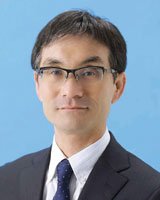
Dr. Sato is an Associate Professor in the Department of Rare Diseases Research, Institute of Medical Science, St. Marianna University School of Medicine, Kawasaki, Japan. He graduated from Nagoya City University School of Medicine in 1995 and obtained his Ph.D. from the Graduate School of Medical Sciences, Nagoya City University, in 2000. After joining St. Marianna University School of Medicine in 2002, he initially focused on chronic inflammation in rheumatoid arthritis and osteoarthritis before pivoting to HTLV-1 research in 2008 under the mentorship of Dr. Yoshihisa Yamano. His research has centred on the diagnosis, biomarkers, and treatment of HTLV-1-associated myelopathy (HAM), including the identification of CSF CXCL10 and neopterin as disease activity markers and participation in clinical trials of mogamulizumab for HAM. He served as a core member of the systematic review team that developed the Japanese Clinical Practice Guidelines for HAM in 2019, and has led the revision, culminating in the updated 2025 edition presented at this conference.

Yorifumi Satou
Professor, Hokkaido University / Kumamoto University, Japan
Professor Yorifumi Satou is a virus researcher at Hokkaido and Kumamoto Universities who studies HTLV-1 immunovirology and the pathogenesis of adult T-cell leukemia/lymphoma (ATL). He integrates molecular virology with human immunology to define how persistent retroviral infection rewires T-cell function and promotes disease.
A major focus of his work is the discovery and characterization of the HTLV-1 antisense gene HBZ and its immunobiological consequences. Seminal studies (PNAS 2006; PLoS Pathogens 2011) established HBZ expression and function, identifying it as a driver of infected-cell persistence and a target for immune and therapeutic strategies.
He advanced the concept of intragenic proviral regulation, demonstrating that HTLV-1 shapes its transcriptional landscape through internal regulatory elements beyond canonical long terminal repeats. Key papers (PNAS 2016; Nat Commun 2022; Nat Microbiol 2025) mapped these programs and clarified roles in latency, reactivation, and tissue-specific expression, informing approaches to quantify and modulate proviral activity in vivo.
Linking mechanism to malignancy, his team showed that ATL cells are activated T cells (JCI 2021), reframing ATL as a cancer intertwined with chronic T-cell activation. He mentors trainees and collaborates internationally, leveraging single-cell profiling to connect proviral control with host immunity and translate insights into improved diagnostics and therapies.
A major focus of his work is the discovery and characterization of the HTLV-1 antisense gene HBZ and its immunobiological consequences. Seminal studies (PNAS 2006; PLoS Pathogens 2011) established HBZ expression and function, identifying it as a driver of infected-cell persistence and a target for immune and therapeutic strategies.
He advanced the concept of intragenic proviral regulation, demonstrating that HTLV-1 shapes its transcriptional landscape through internal regulatory elements beyond canonical long terminal repeats. Key papers (PNAS 2016; Nat Commun 2022; Nat Microbiol 2025) mapped these programs and clarified roles in latency, reactivation, and tissue-specific expression, informing approaches to quantify and modulate proviral activity in vivo.
Linking mechanism to malignancy, his team showed that ATL cells are activated T cells (JCI 2021), reframing ATL as a cancer intertwined with chronic T-cell activation. He mentors trainees and collaborates internationally, leveraging single-cell profiling to connect proviral control with host immunity and translate insights into improved diagnostics and therapies.
Andrea Thoma-Kress
Research group leader, Friedrich-Alexander-Universität Erlangen-Nürnberg (FAU), Germany
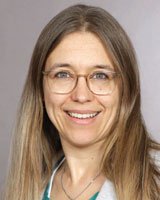
Andrea Thoma-Kress studied Molecular Medicine, obtained her doctoral degreee in natural sciences in 2011, and finished her habilitation in virology in 2022. Currently, she is staff scientist and lecturer at Friedrich-Alexander- Universität (FAU) Erlangen-Nürnberg, Erlangen, Germany. Andrea is head of the Retroviral Pathogenesis lab located at the Harald zur Hausen Institute of Virology in Erlangen. Major research interests of her group are understanding molecular details of HTLV-1 transmission, development of prevention strategies, cell-cell communication, and oncogenic signaling. Andrea’s research is supported by the Federal Ministry of Research, Technology and Space of the Federal Republic of Germany to study milk transmission of viruses and by several grants of the German Research Foundation (DFG). Since 2019, Andrea has been member of the steering committee of a local graduate school, and from 2021-2025, she served as European Representative of IRVA. In 2025, she was organizing the European HTLV-1 conference HERN2025 in Erlangen.

Jean-Claude Twizere
FNRS Research Director in Virology and Biotechnology, University of Liege, Belgium
Professor Jean-Claude Twizere is a molecular virologist and biotechnology researcher at the University of Liège (Belgium), where he serves as FNRS Research Director and leads research on viral–host protein interaction networks and antiviral discovery. His work focuses on understanding how pathogenic viruses, including HTLV-1, coronaviruses and filoviruses, interact with host cellular pathways and how these interactions can be targeted therapeutically.
Over the past two decades, his research has contributed to elucidating the molecular mechanisms of HTLV-1 oncogenesis, particularly through studies of the viral proteins Tax and HBZ and their impact on cellular regulatory networks such as transcription, RNA metabolism and alternative splicing. His laboratory integrates interactomes, systems biology and artificial intelligence approaches to identify host targets for antiviral intervention.
Professor Twizere is actively involved in international collaborations linking molecular virology with global health initiatives, particularly in Africa. He has been engaged in promoting coordinated research and public health responses to neglected viral infections, including HTLV-1. He contributes to several international scientific initiatives and advisory groups, including CEPI and Africa CDC, and works closely with African partners to strengthen research networks and pandemic preparedness.
Over the past two decades, his research has contributed to elucidating the molecular mechanisms of HTLV-1 oncogenesis, particularly through studies of the viral proteins Tax and HBZ and their impact on cellular regulatory networks such as transcription, RNA metabolism and alternative splicing. His laboratory integrates interactomes, systems biology and artificial intelligence approaches to identify host targets for antiviral intervention.
Professor Twizere is actively involved in international collaborations linking molecular virology with global health initiatives, particularly in Africa. He has been engaged in promoting coordinated research and public health responses to neglected viral infections, including HTLV-1. He contributes to several international scientific initiatives and advisory groups, including CEPI and Africa CDC, and works closely with African partners to strengthen research networks and pandemic preparedness.
Toshiki Watanabe
Professor, Hematology/Oncology, St Marianna University, Japan
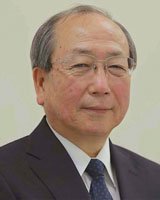
Prof. Watanabe graduated the Faculty of Medicine, the University of Tokyo in1979 and awarded a PhD degree in 1987. He was a Professor of the Graduate School of the University of Tokyo, and was awarded the title of Professor Emeritus the University of Tokyo in 2016. He is currently a Professor at the Department of Hematology/Oncology, at St Marianna University. His research interests focus on the virology of HTLV-1, and pathophysiology of diseases caused by HTLV-1. He has contributed progress of understanding the mechanisms of malignant transformation of HTLV-1 infected T cells, which lead to clinical introduction of a novel epigenetic drug, Valemetostat. He has contributed to establishing biomarkers of risk evaluation of ATL development. He has also contributed advances of epidemiology of HTLV-1 in Japan. He has published more than 250 original papers and reviews, including those of Nature, Nature Genetics, New Eng J Med, Lancet, Lancet Inf Dis, Cancer Cell, Cell Report, PNAS, etc.
He is the President of Japanese Association of HTLV-1 and associated Diseases (JSHAD), Past President of International Retrovirology Association (IRVA). He has been the Chairperson of the HTLV-1 Countermeasures Promotion Council, Japanese Ministry of Health, Labour and Welfare since 2011.
Luc Willems
Research Director of the National Fund for Scientific Research, University of Liege, Belgium
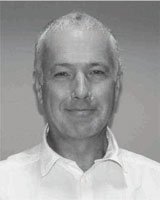
Luc Willems is a research director at the National Fund for Scientific Research (FNRS) and a professor at the University of Liège (Belgium). He teaches courses in molecular biology and immunology. His research team aims to elucidate the fundamental mechanisms of cancer and to explore novel therapeutic strategies. Recent publications from the group have appeared in Molecular Therapy, Proceedings of the National Academy of Sciences of the U.S.A., PLoS Pathogens and The Lancet eBioMedicine. In virology, his work focuses primarily on retrovirus-induced diseases, including HTLV and BLV.
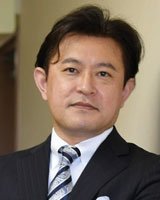
Yoshihisa Yamano
Professor and Chair, Department of Neurology, St. Marianna University School of Medicine, Japan
Dr. Yoshihisa Yamano is Professor and Chair of the Department of Neurology at St. Marianna University School of Medicine, Japan. He has been engaged in clinical care and research on neurological diseases since 1993, with a particular focus on HTLV-1–associated myelopathy (HAM).
Professor Yamano has led national and international research efforts to elucidate the pathogenesis of HAM, develop biomarkers, and establish patient registries and biorepositories. He has served as the principal investigator of multiple large-scale cohort studies and has contributed to the development of the first clinical guidelines for HAM in Japan.
He is actively involved in translational research bridging basic immunology and clinical neurology and has published extensively in the field of human retrovirology and neuroimmunology. He has served as President of the International Retrovirology Association (IRVA) since 2026.